

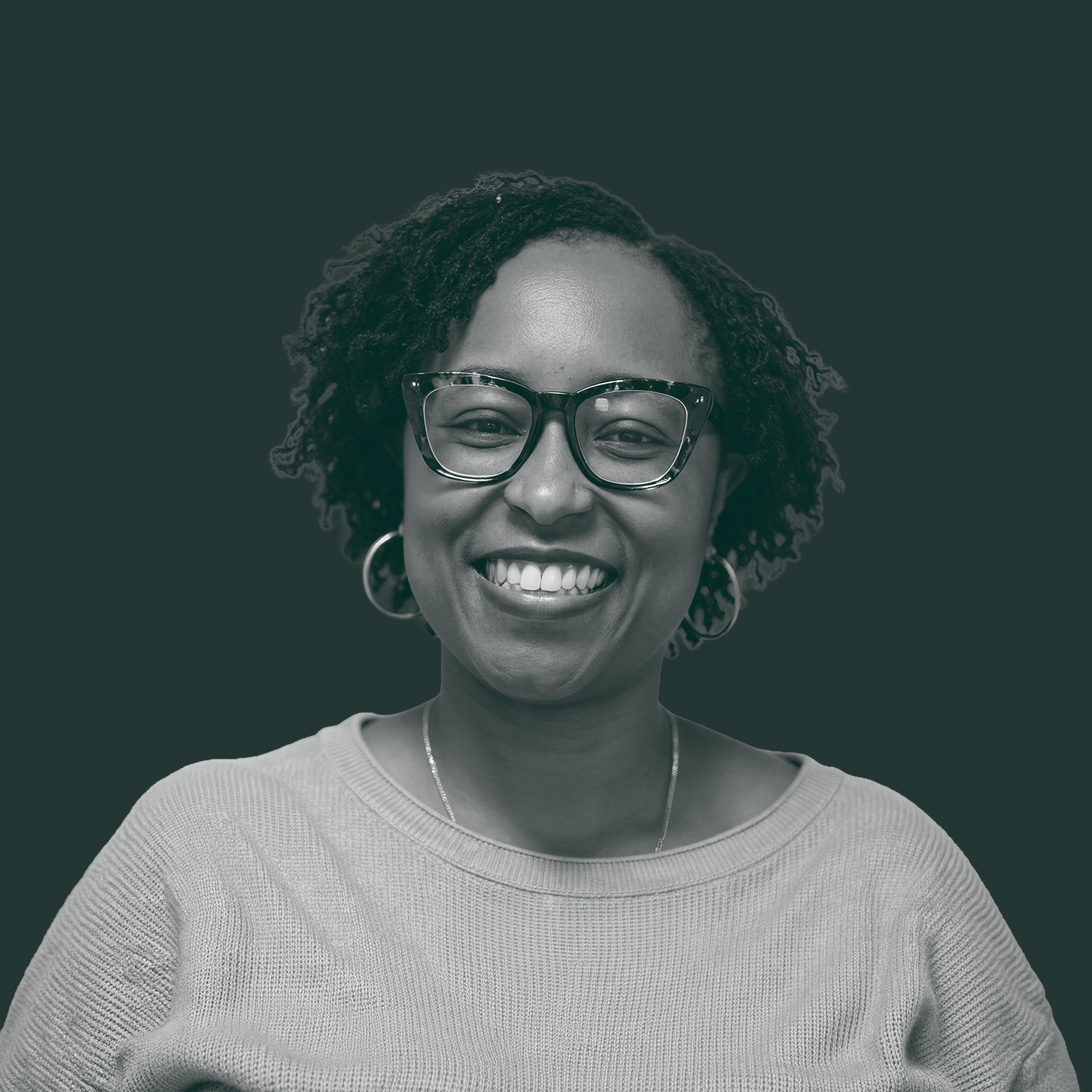
Meet Melissa Nelson
Meet Melissa Nelson, a Certified Nurse Midwife and a close partner of Vital CxNs’ Maternal Health Equity Initiative.
Melissa Nelson is a Certified Nurse Midwife and a close partner of Vital CxNs’ Maternal Health Equity Initiative. As a co-facilitator for our community-based maternal health convos, she shares her expertise and insights on the midwifery model of care, the importance of self-advocacy, and what it means to provide community and family-centered support. Melissa has worked at Massachusetts General Hospital and Boston Medical Center and completed her Doctor of Nursing Practice (DNP) at the MGH Institute of Health Professions. Read below to learn more about what guides her approach, what led her to midwifery, and what she’s taken away from engaging in the maternal health community conversations.
Interviewer: Can you tell me a bit about yourself/your upbringing?
Melissa: I’m of Haitian descent. Both of my parents immigrated to the United States from Haiti in the 1980s. I come from a large, close-knit family; both of my parents are one of ten siblings, so family has always been a central part of my life. I was born in Boston and later raised in Randolph, Massachusetts. My parents instilled in me the values of hard work, perseverance, and the belief that education can open doors. Despite working demanding jobs (my mother as a nursing assistant and my father as a taxi driver) they made it possible for my brothers and me to attend college, and we all graduated. Their sacrifices and example have deeply shaped who I am today. They taught me to never give up, to always put my best foot forward, and to take pride in everything I do. Just as importantly, they instilled confidence in who I am and a commitment to excellence in both my personal and professional life.
“I strive to ensure that each birthing person feels heard, respected, and empowered”
Interviewer: Tell me about how you got involved in the work you currently do now. What motivates you? What is your personal approach to this work?
Melissa: I’ve been drawn to maternal-child health for as long as I can remember—I was that kid watching A Baby Story on TLC. That early interest became more tangible when I volunteered on an OB/GYN floor in high school. Through that experience, I later worked as a unit secretary during my college summers and school breaks on a gynecologic oncology and antepartum/postpartum unit at Brigham and Women’s Hospital. While reviewing a patient chart one day, I came across the initials “CNM.” I had never heard of it, so I asked a nurse—and, true to who I am, I went home and did my research. That was the moment I discovered midwifery, and I immediately connected with it.
During college, as part of my anthropology major, I completed an ethnographic study where I had the opportunity to shadow a home birth midwife. That experience solidified everything for me. I’ve been committed to this work ever since. What continues to motivate me is the privilege of caring for birthing people and their families during some of the most vulnerable and transformative moments of their lives. One’s pregnancy, birth, and postpartum experiences aren't always joyful. It can also be complex, unpredictable, and at times traumatic. My role as a midwife is to provide steady, compassionate support through all of it. My personal approach is grounded in individualized, patient-centered care. I strive to ensure that each birthing person feels heard, respected, and empowered, with care that honors their values and keeps them and their family at the center of every decision.
Interviewer: Can you tell me about how you got involved with Vital CxNs' maternal health initiative specifically? Why did you decide to do it? What was your experience like?
Melissa: I got involved with Vital CxN’s maternal health initiative through the recommendation of a fellow midwife. After learning more about their work, it immediately resonated with me. I was looking for a way to engage more deeply with the community and connect with people outside of traditional clinical settings. While we care for patients in hospitals, clinics, and community health centers, there is something uniquely meaningful about meeting people where they are—in their own spaces, on their own terms. I wanted to better understand lived experiences, build trust, and ensure that communities are aware of midwifery care and why it should be more widely accessible and integrated as a standard of care.
This experience has been incredibly impactful. I often say that I learn just as much if not more from the participants as they do from me. The conversations are honest, raw, and emotional, but also deeply healing and empowering. It has fundamentally shaped how I approach my work. Clinically, it has made me more intentional, patient-centered, and responsive to the needs of those I serve. From a leadership perspective, it has strengthened my commitment to advocacy: ensuring that these real-world experiences are not only heard, but also reflected in hospital policies, practice guidelines, and broader maternal health legislation.
“For those who may feel this work doesn’t involve them, I would emphasize that maternal health equity affects all of us.”
Interviewer: Why do you feel this work is so important? What would you tell people who don't know a lot about it or think it doesn't involve them?
Melissa: This work is incredibly important because maternal health equity directly impacts individuals, families, and entire communities. Creating space for open, honest conversations helps ensure that people are aware of their birth options and feel empowered to make informed decisions. At its core, this work is about access, education, and autonomy, because knowledge truly is power.
What has been most meaningful to me is engaging not just with birthing people, but with entire family networks: parents, partners, grandparents, siblings, and extended community members. Hearing their stories is powerful. These conversations are honest, emotional, and deeply human, and they often create a ripple effect, where participants share what they’ve learned with others.
For those who may feel this work doesn’t involve them, I would emphasize that maternal health equity affects all of us. The outcomes of pregnancy and birth have both immediate and long-term impacts, not just on individuals, but on families and future generations. When maternal health is improved, communities are stronger. These conversations help us better understand the values, needs, and priorities of the communities we serve. That insight is essential to shaping care models, policies, and systems that truly meet people where they are.
Interviewer: Is there anything else you wish to share about yourself or your work?
Melissa: I began my career as a labor and delivery nurse, working in both West Philadelphia and Boston for three years. I have now been practicing as a midwife for the past 11 years (MA and RI), with a significant portion of my career focused on midwifery leadership. I previously served as the Associate Midwifery Director at Boston Medical Center and most recently as the Midwifery Practice Director at Massachusetts General Hospital. Outside of my professional role, I’m intentional about how I care for myself. Music is truly my love language. It’s a central part of how I decompress and reset. I also prioritize spending time with family and friends, which helps me recharge and stay grounded.
Written by Briana Acosta (April 2026)