
About
At Vital CxNs, we repair the fragmented healthcare system by building and strengthening vital connections among neighbors, organizations, and sectors. We believe that lasting change happens when communities lead and sectors work together. Through our cross-sector, community-led systems change model, we transform inequitable conditions to build a thriving, equitable, and effective community health ecosystem for all.
Our four-stage model for driving sustainable ecosystem improvements
➊ Assessment of Community Assets & Needs
We begin our work by assessing community assets and needs to ensure our work is responsive to community-identified health equity challenges and builds on existing community resources.
➋ Convene Across Sectors & Silos
We convene cross-sector stakeholders to ensure that the local community health ecosystem is working synergistically, collaboratively, and efficiently to maximize our collective impact across sectors.
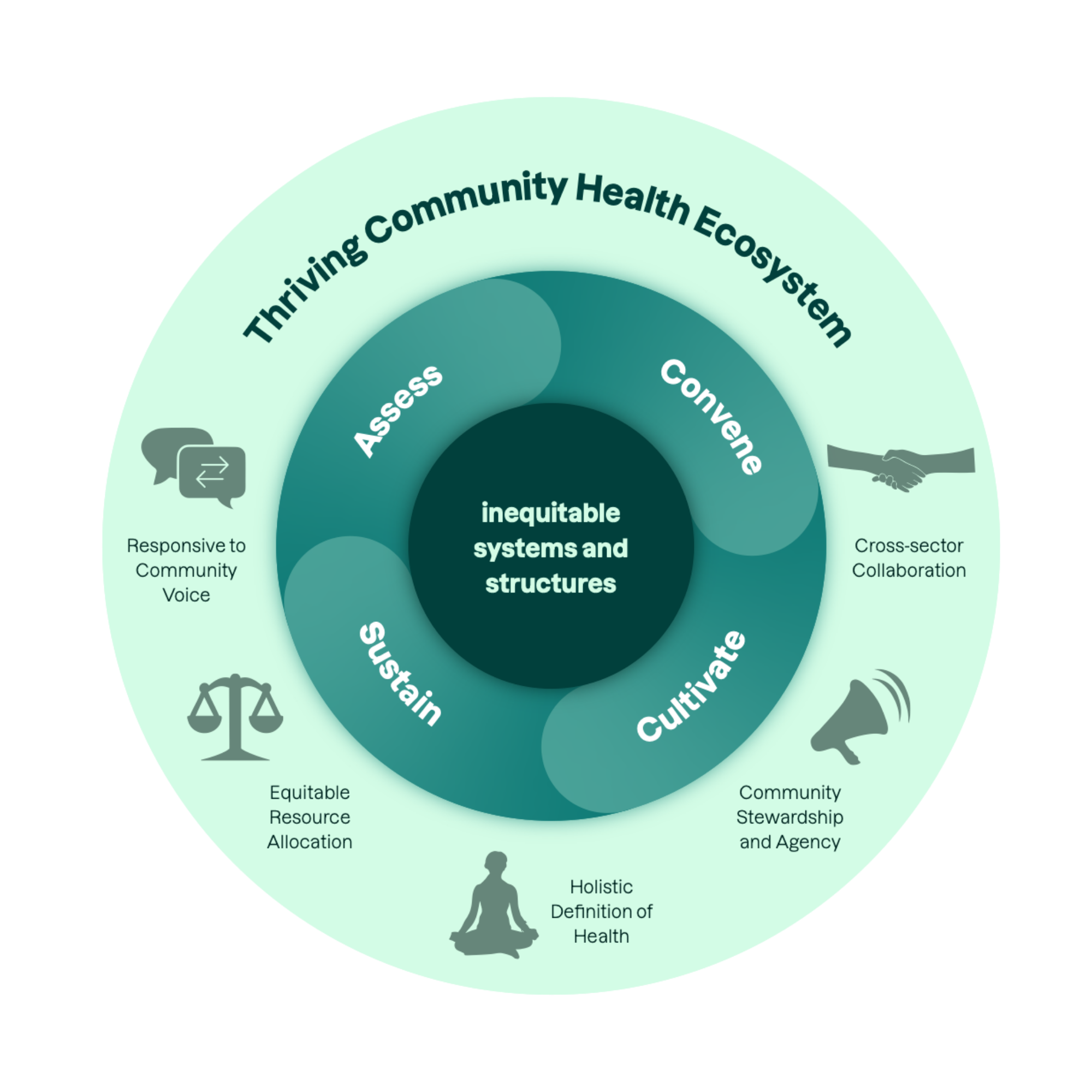
➌ Cultivate Community-Centered Solutions
Cultivating community ownership ensures that redesigned community health infrastructure is not only responsive to community need, but also led and sustained by community stewardship.
➍ Integrate & Sustain for Long-Term Impact
Health equity advancements require systems to be fully integrated into health equity strategies stewarded by the community. Integration often begins with short-term funding support but must move to ongoing institutional investments for true long-term impact and sustainability.
Section Title
Additional copy describing video content. Lorem ipsum dolor sit amet, consectetur adipiscing elit, sed do eiusmod tempor incididunt ut labore et dolore magna aliqua. Ut enim ad minim veniam.
Case Studies: Option #1
Case Studies
➊ Assessment of Community Assets & Needs
-
![]()
Long Covid Ambassadors
We hire and train community members as Long Covid Ambassadors to conduct outreach and education on Long Covid symptoms, disease management and supportive resources. The ambassadors leverage the power of their own social networks to ensure critical health information and services reach communities disproportionately impacted by the lingering effects of the Covid-19 pandemic.
-
![]()
Community Leaders
Community members are employed across our initiatives as Community Leaders. In this role, Community Leaders leverage their trusted relationships in our partnering communities to ensure that solutions are developed and implemented in a way that builds upon a community’s assets and is directly responsive to their needs, fostering sustainable and impactful outcomes.
➋ Convene Across Sectors & Silos
-
![]()
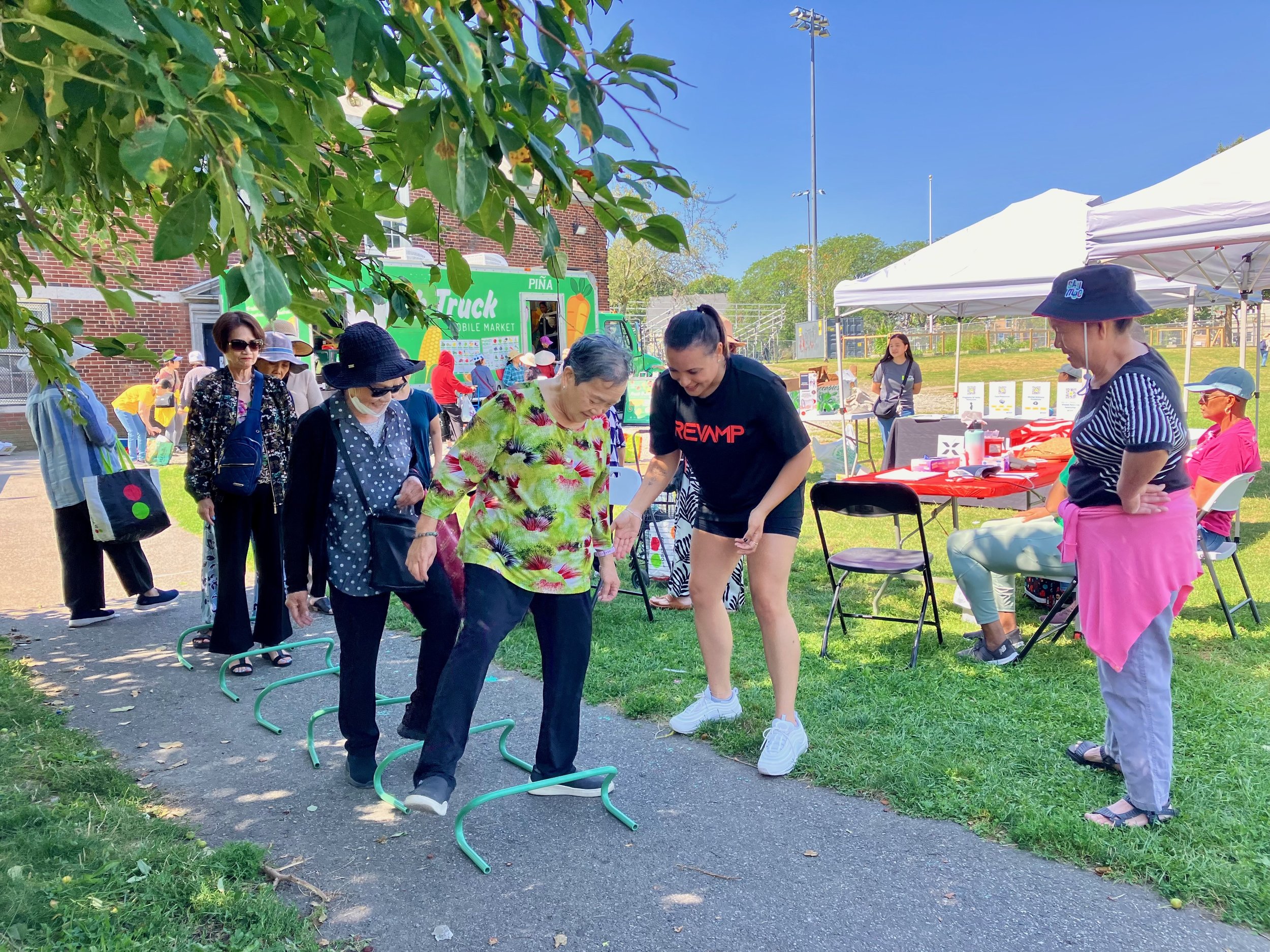
Food Access
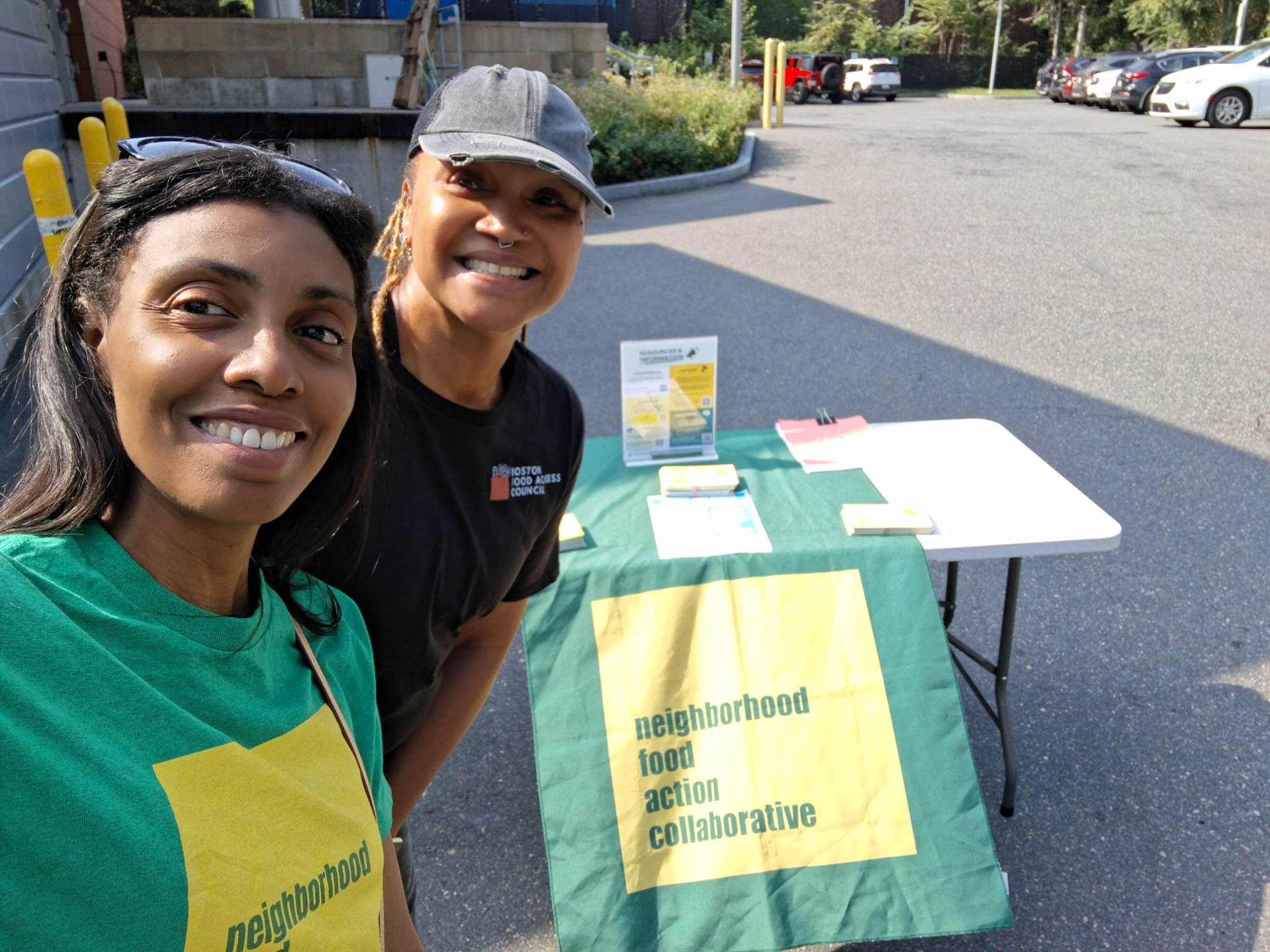
The Neighborhood Food Action Collaborative (NFAC) was formed during the height of COVID at a time in which a state of emergency, coupled with an influx of food resources demanded a coordinated, community-led response. At this time, we convened 20+ cross-sector partners and 30+ community residents to develop timely solutions to a food security crisis, ensuring that food resources were getting to those most in need.
-
![]()
Mental Health
Through cross-sector collaboration and community leadership, we’re building a more inclusive, culturally responsive mental health ecosystem. We host a monthly Mental Health Access Network that brings together community members, mental health practitioners, providers, and organizations to share resources, exchange ideas, and strengthen community-defined approaches to mental wellness and behavioral health support.
-
![]()
Community Wellness
We partnered with Brigham and Women’s Hospital’s Leadership in Health Equity Pathway to bring together a group of cross-sector stakeholders through a series of community wellness convenings. Together we created a shared definition of community wellness, and brainstormed community health ecosystem improvements that connected existing resources, identified gaps, and created a roadmap toward equitable health for all.
➌ Cultivate Community-centered Solutions
-
![]()
Peer-to-Peer Model
Recognizing the power of information-sharing through trusted messengers, we employ a peer-to-peer model to spread education and advocacy on local resources. In our food access work, we hire and train Peer Advocates to provide multilingual education, advocacy and enrollment support for government-funded benefit programs such as the Supplemental Nutrition Assistance Program (SNAP). By activating community voice, we build community ownership.
-
![]()
Maternal Health
Our Maternal Health Community Conversations, co-created and facilitated by a diverse network of community-based organizations, groups, and businesses, help to increase awareness of diverse birth options, including midwifery care, doula support, and birth centers. By centering community perspectives on healthy pregnancies and births, we seek to bridge gaps in Boston’s maternal health ecosystem, inform systems improvement efforts, and promote safe and liberated birth for all.
➍ Integrate & Sustain for Long-term Impact
Our vision is to align systems-level resources—across healthcare, government, payers, and policy—with community-led systems change. Imagine city government hiring community leaders to steward food access, or Medicaid incentivizing community-based care within non-traditional yet trusted community spaces. We're integrating systems into community-led health equity strategies, leveraging institutional investments for sustainable, long-term impact driven by those most affected.
Case Studies: Option #2
Case Studies
➊ Assessment of Community Assets & Needs
Long Covid Ambassadors
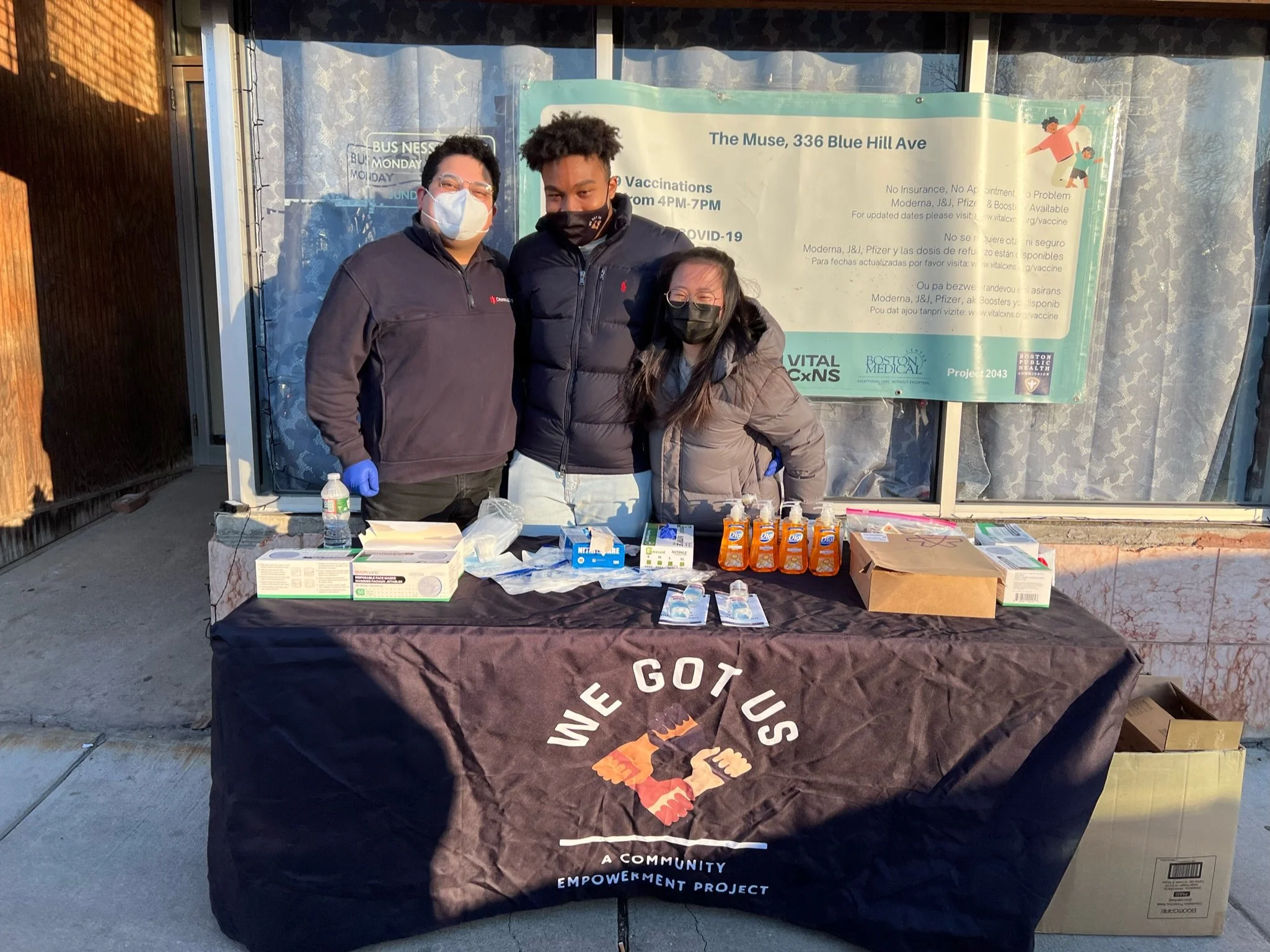
We hire and train community members as Long Covid Ambassadors to conduct outreach and education on Long Covid symptoms, disease management and supportive resources. The ambassadors leverage the power of their own social networks to ensure critical health information and services reach communities disproportionately impacted by the lingering effects of the Covid-19 pandemic.
Read Case Study →
Community Leaders
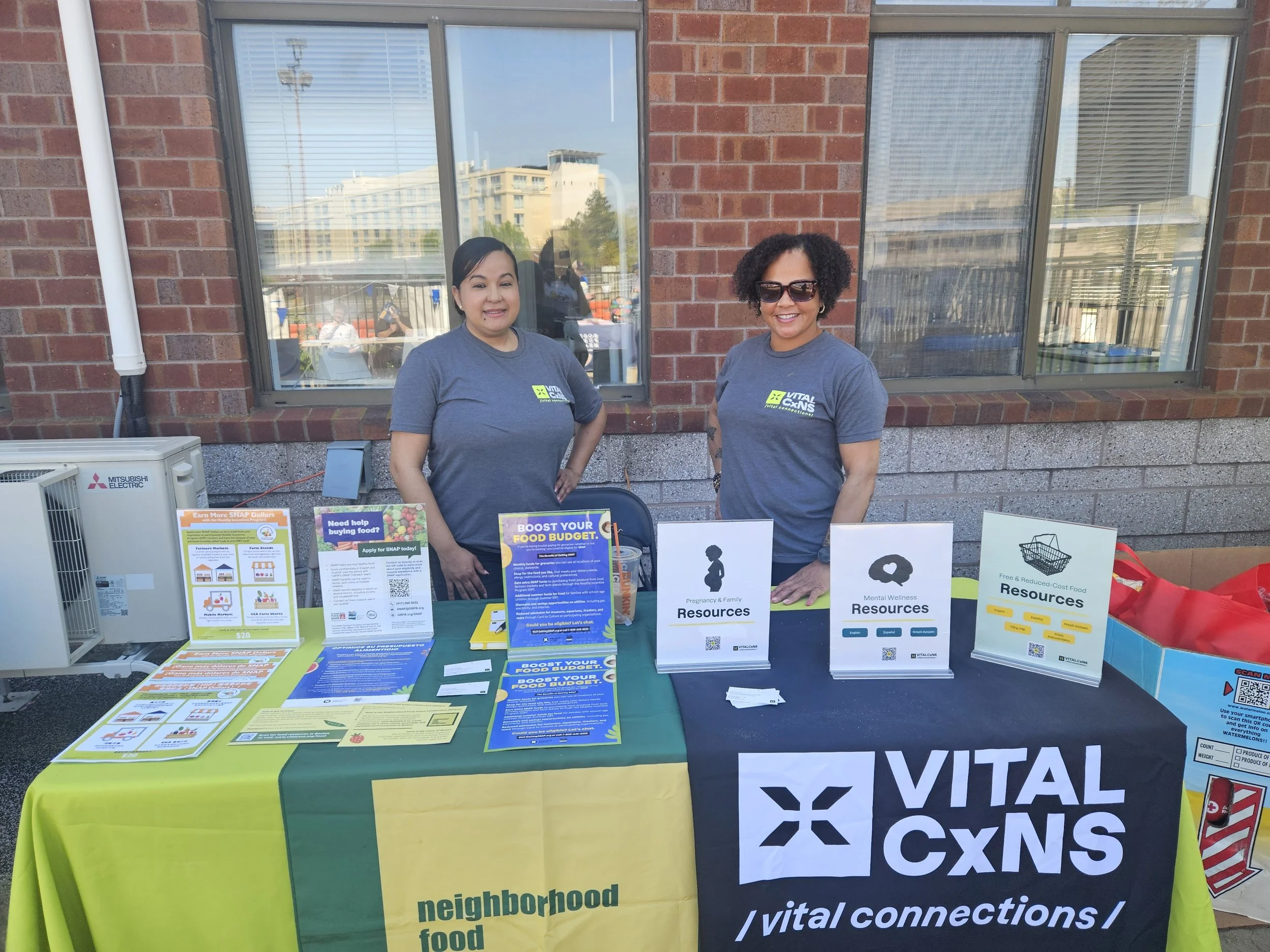
Community members are employed across our initiatives as Community Leaders. In this role, Community Leaders leverage their trusted relationships in our partnering communities to ensure that solutions are developed and implemented in a way that builds upon a community’s assets and is directly responsive to their needs, fostering sustainable and impactful outcomes.
Read Case Study →
➋ Convene Across Sectors & Silos
Food Access
We hire and train community members as Long Covid Ambassadors to conduct outreach and education on Long Covid symptoms, disease management and supportive resources. The ambassadors leverage the power of their own social networks to ensure critical health information and services reach communities disproportionately impacted by the lingering effects of the Covid-19 pandemic.
Read Case Study →
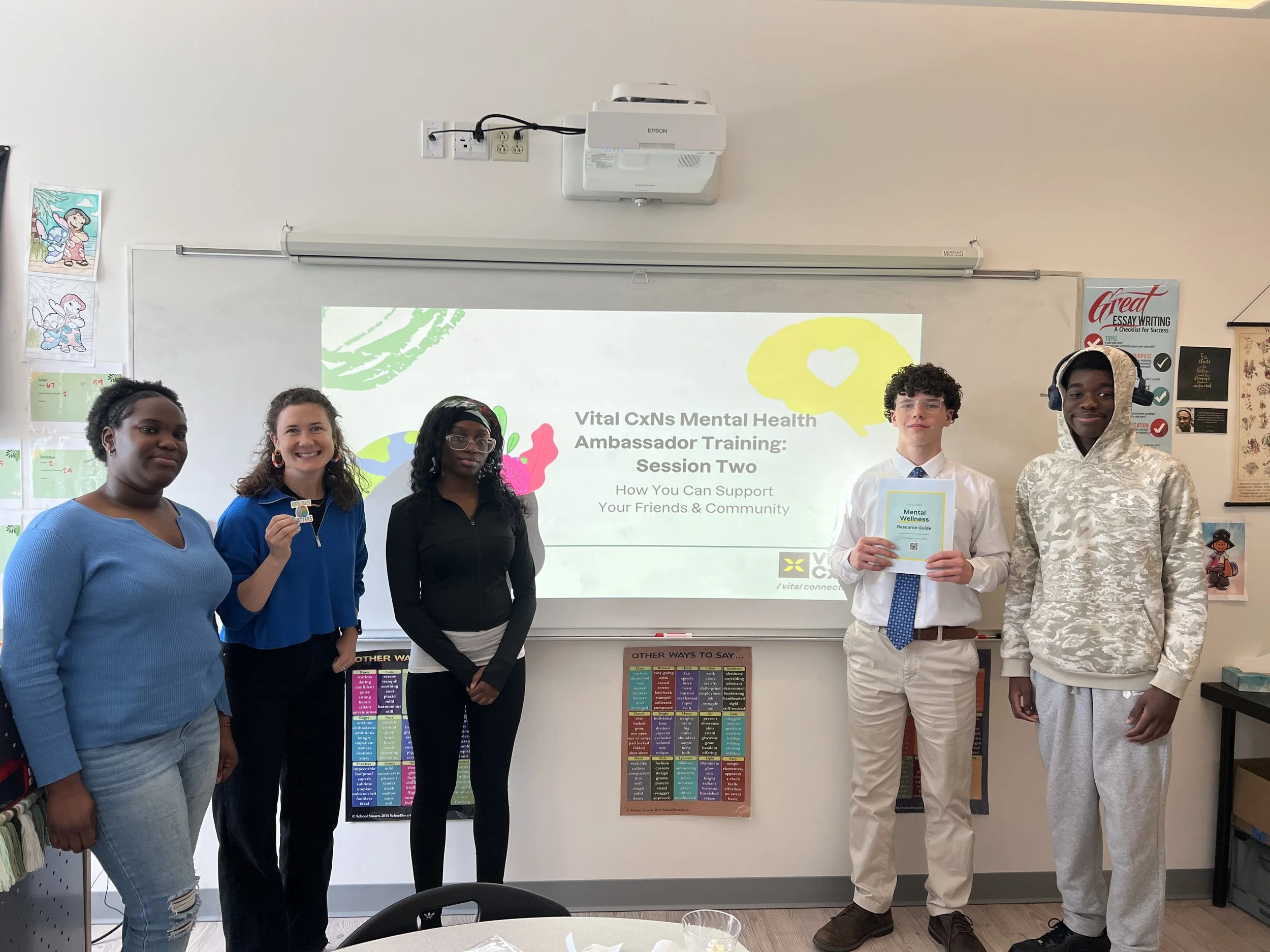
Mental Health
Through cross-sector collaboration and community leadership, we’re building a more inclusive, culturally responsive mental health ecosystem. We host a monthly Mental Health Access Network that brings together community members, mental health practitioners, providers, and organizations to share resources, exchange ideas, and strengthen community-defined approaches to mental wellness and behavioral health support.
Read Case Study →
Community Wellness
We partnered with Brigham and Women’s Hospital’s Leadership in Health Equity Pathway to bring together a group of cross-sector stakeholders through a series of community wellness convenings. Together we created a shared definition of community wellness, and brainstormed community health ecosystem improvements that connected existing resources, identified gaps, and created a roadmap toward equitable health for all.
Read Case Study →
➌ Cultivate Community Centered solutions
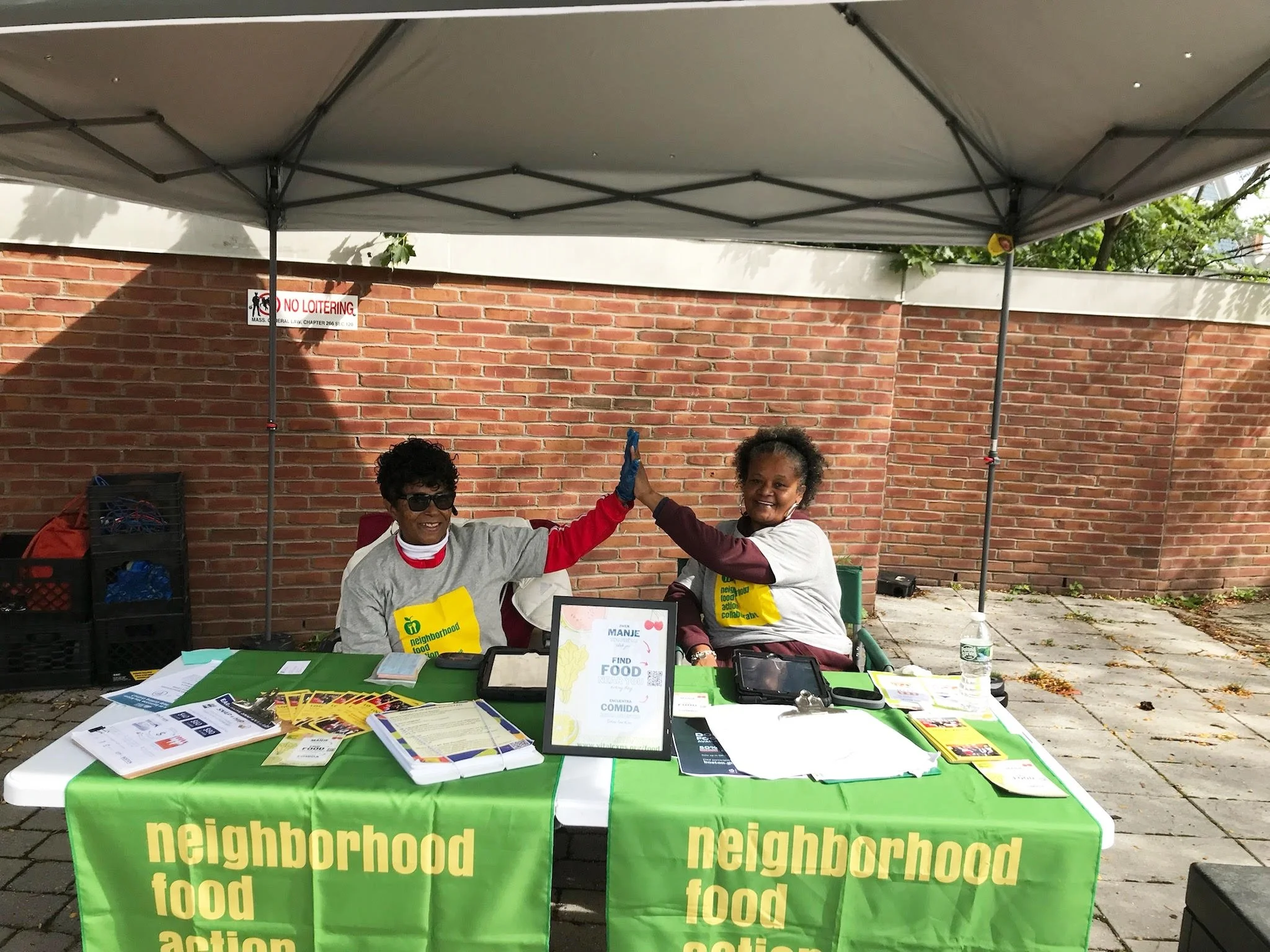
Peer-to-Peer Model
Recognizing the power of information-sharing through trusted messengers, we employ a peer-to-peer model to spread education and advocacy on local resources. In our food access work, we hire and train Peer Advocates to provide multilingual education, advocacy and enrollment support for government-funded benefit programs such as the Supplemental Nutrition Assistance Program (SNAP). By activating community voice, we build community ownership.
Read Case Study →
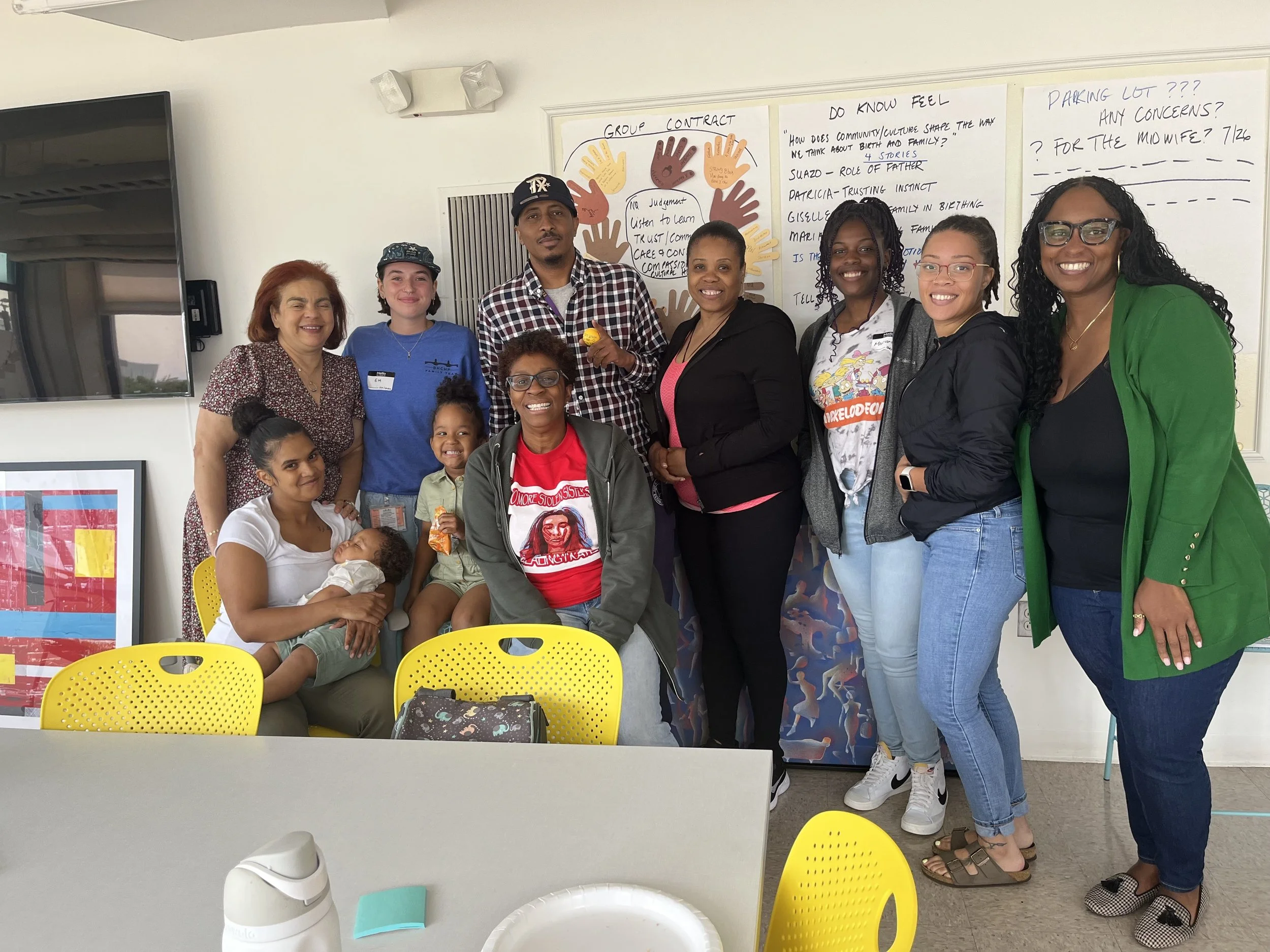
Maternal Health
Our Maternal Health Community Conversations, co-created and facilitated by a diverse network of community-based organizations, groups, and businesses, help to increase awareness of diverse birth options, including midwifery care, doula support, and birth centers. By centering community perspectives on healthy pregnancies and births, we seek to bridge gaps in Boston’s maternal health ecosystem, inform systems improvement efforts, and promote safe and liberated birth for all.
Read Case Study →
➍ Integrate & Sustain for Long-term Impact
Our vision is to align systems-level resources—across healthcare, government, payers, and policy—with community-led systems change. Imagine city government hiring community leaders to steward food access, or Medicaid incentivizing community-based care within non-traditional yet trusted community spaces. We're integrating systems into community-led health equity strategies, leveraging institutional investments for sustainable, long-term impact driven by those most affected.
Read Case Study →
Our Impact to Date*
88%
Community health interactions facilitated via clinical-community partnerships
80%
Invested in community partnerships
77%
of community members agree that through their involvement in VC they have gained leadership skills
Survey data * of surveyed partners