

Option #1 for Model Section layout
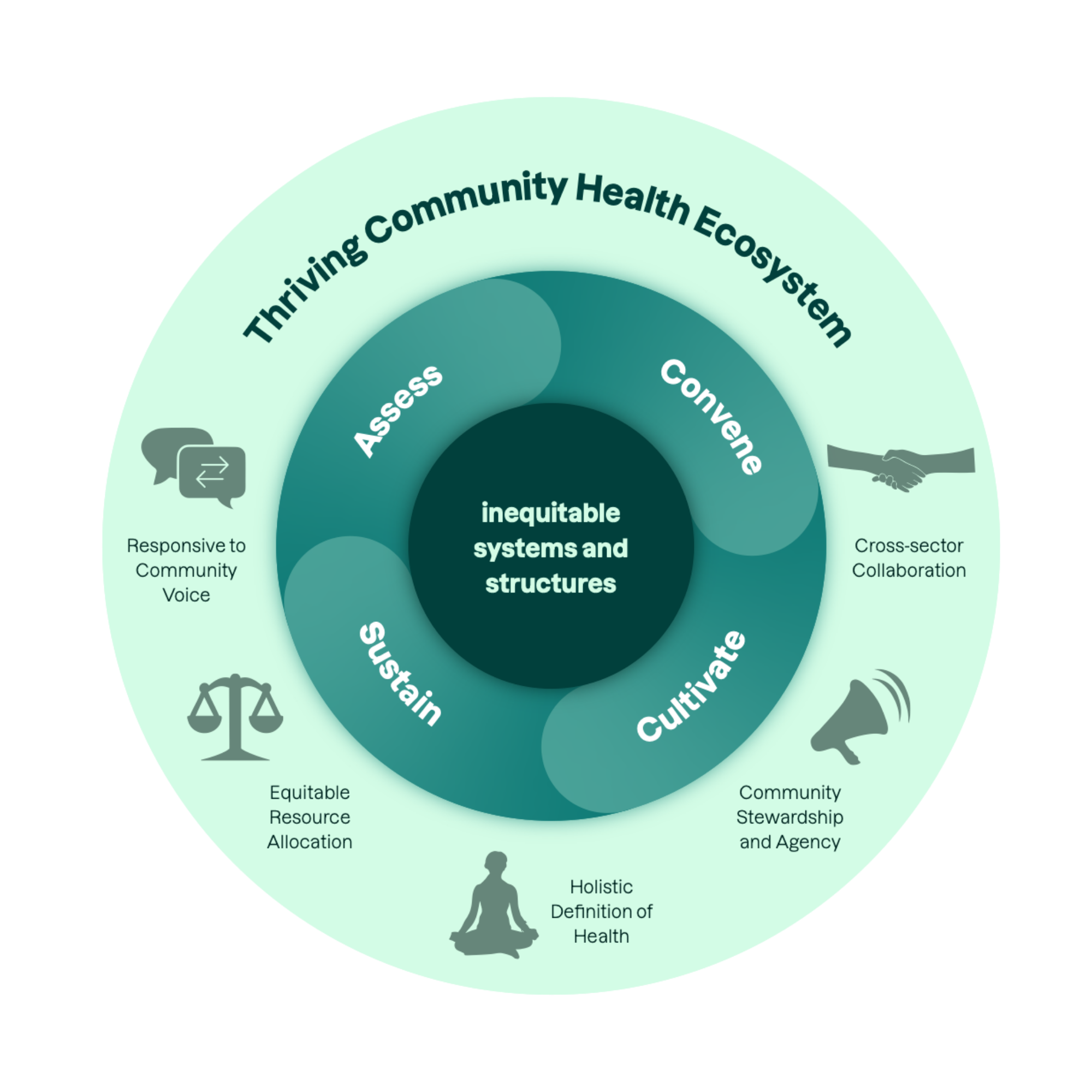
Our four-stage model for driving sustainable ecosystem improvements
Option #2 for Model Section layout
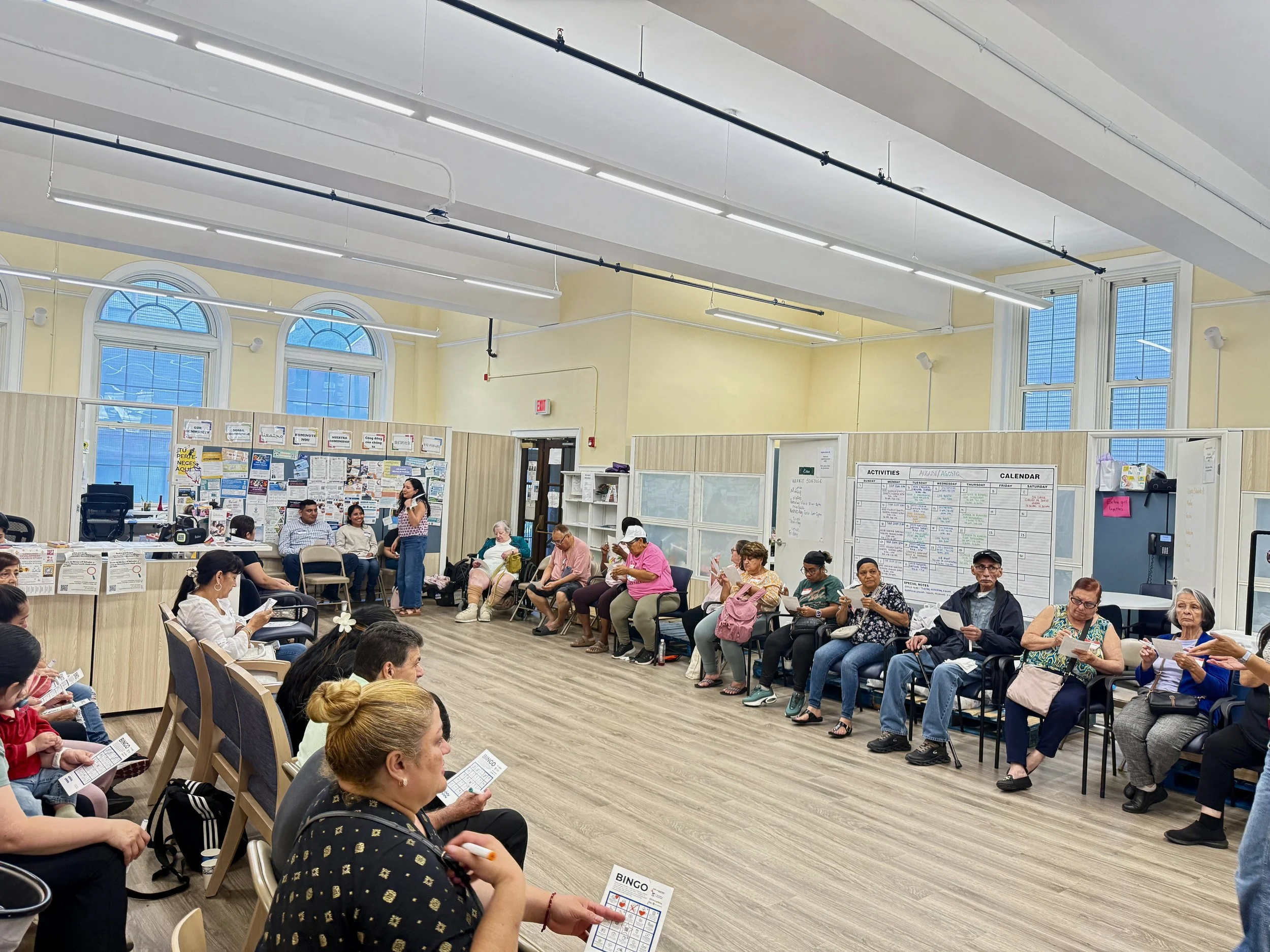
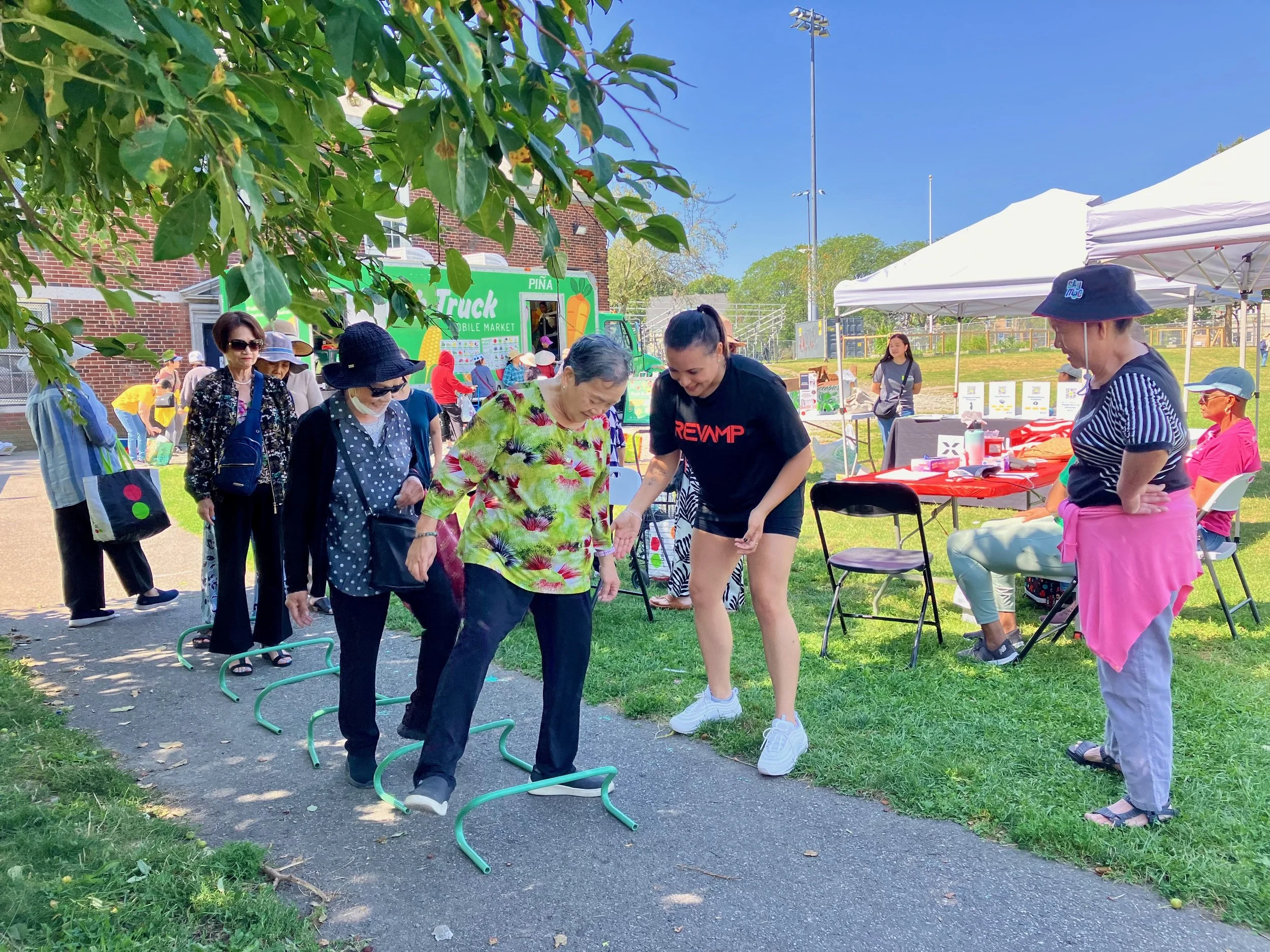
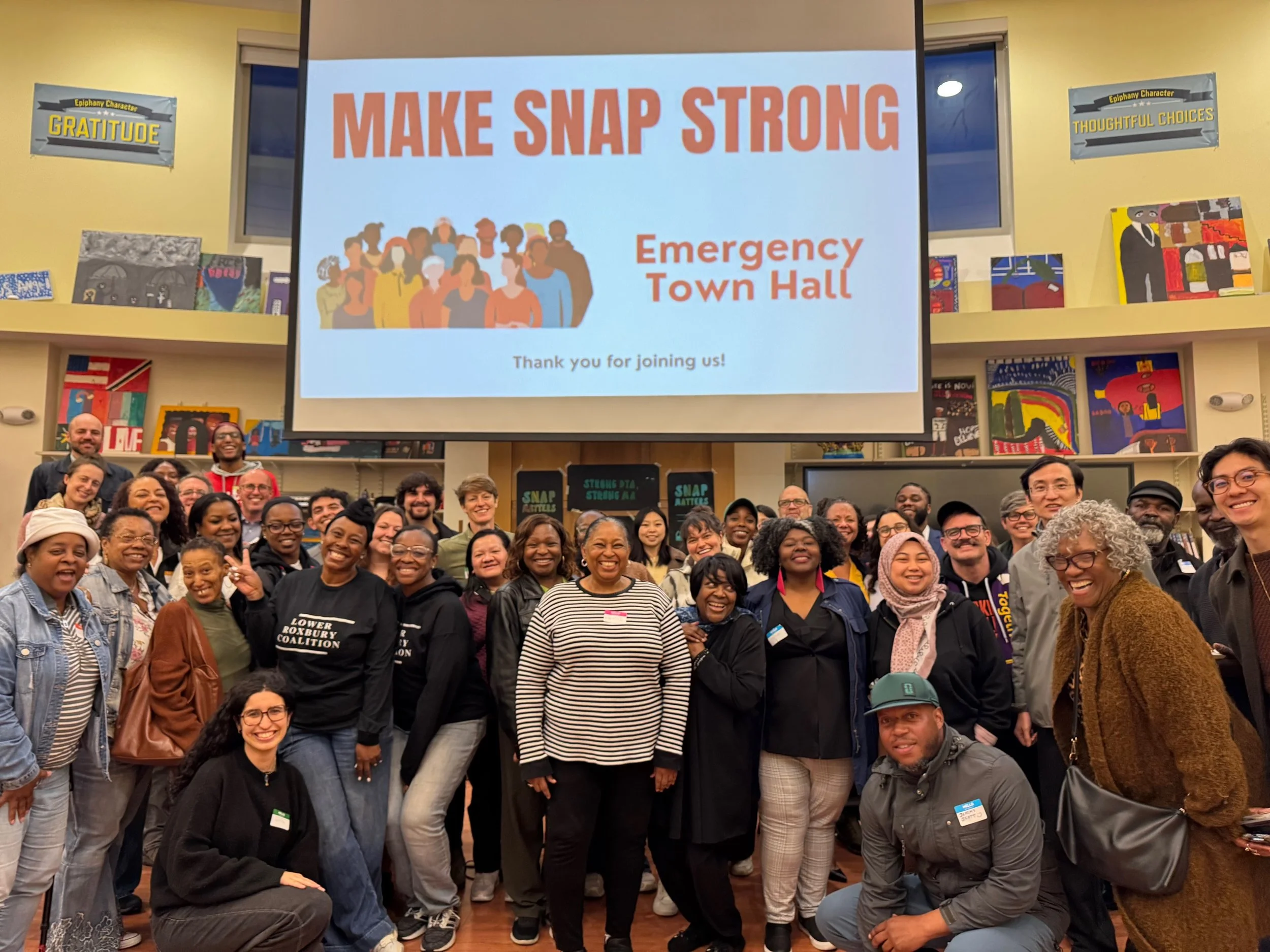
[we could add relevant images or icons to pair with each step]
Our four-stage model for driving sustainable ecosystem improvements
-
![]()
➊ Assess
Assessment of Community Assets & Needs
We begin our work by assessing community assets and needs to ensure our work is responsive to community-identified health equity challenges and builds on existing community resources. -
![]()
➋ Convene
Across Sectors & Silos
We convene cross-sector stakeholders to ensure that the local community health ecosystem is working synergistically, collaboratively, and efficiently to maximize our collective impact across sectors. -
![]()
➌ Cultivate
Community-Centered Solutions
Cultivating community ownership ensures that redesigned community health infrastructure is not only responsive to community need, but also led and sustained by community stewardship. -
![]()
➍ Sustain
Integrate & Sustain for Long-Term Impact
Health equity advancements require systems to be fully integrated into health equity strategies stewarded by the community. Integration often begins with short-term funding support but must move to ongoing institutional investments for true long-term impact and sustainability.

Option #3 for Model Section layout
Our four-stage model for driving sustainable ecosystem improvements
1 Assessment of Community Assets & Needs
We begin our work by assessing community assets and needs to ensure our work is responsive to community-identified health equity challenges and builds on existing community resources.
2 Convene Across Sectors & Silos
We convene cross-sector stakeholders to ensure that the local community health ecosystem is working synergistically, collaboratively, and efficiently to maximize our collective impact across sectors.
3 Cultivate Community-Centered Solutions
Cultivating community ownership ensures that redesigned community health infrastructure is not only responsive to community need, but also led and sustained by community stewardship.
4 Integrate & Sustain for Long-Term Impact
Health equity advancements require systems to be fully integrated into health equity strategies stewarded by the community. Integration often begins with short-term funding support but must move to ongoing institutional investments for true long-term impact and sustainability.